
There Are Many Currents
My friend Brandt left a reply.

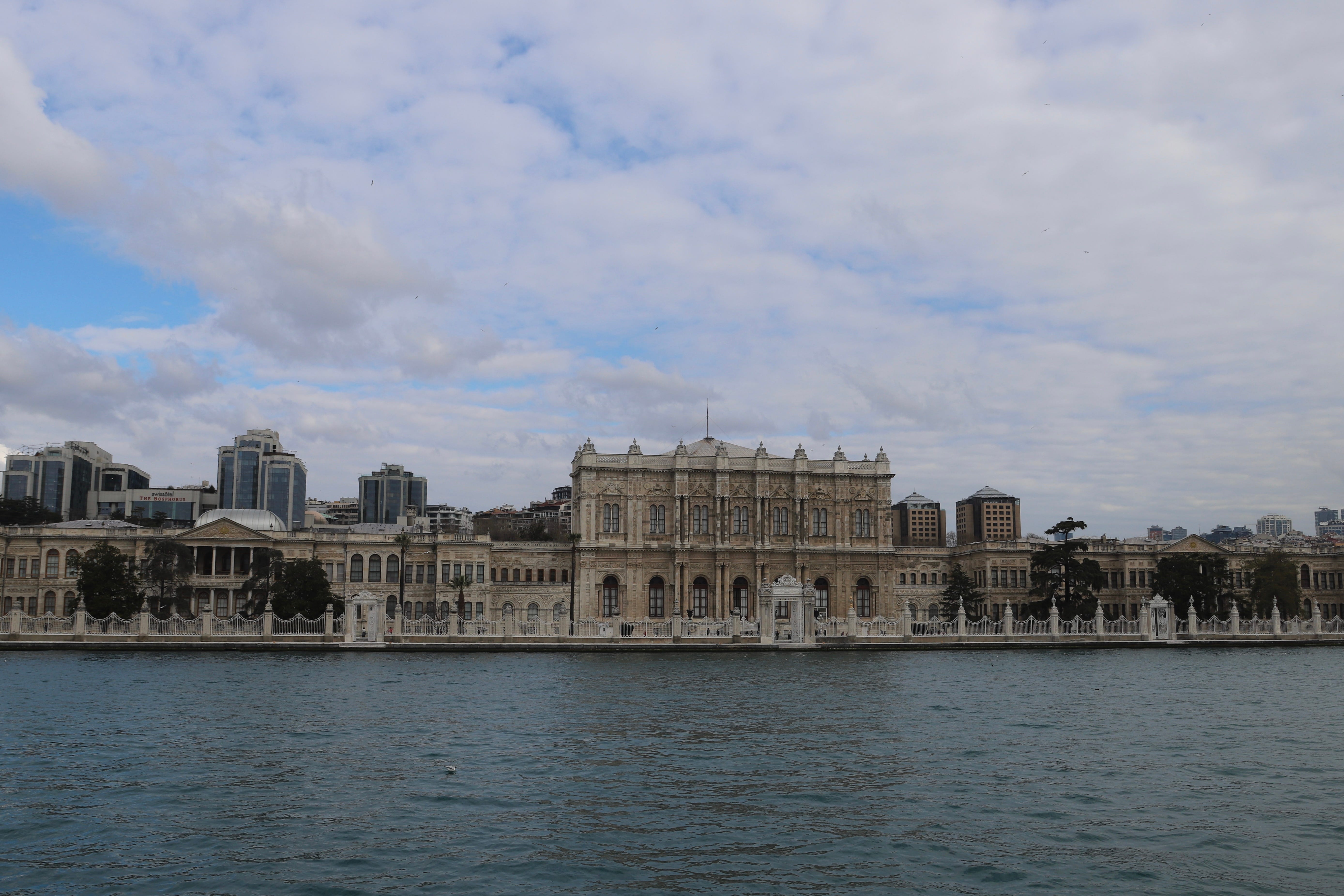
“There are multiple currents in the Bosphorus,” he said.
Yunus pointed to the riffles in the water of the Bosphorus. If you have spent anytime on the water, you know that different currents can be difficult to negotiate for watercraft. Bill remarked that depending on the speed of the different currents, large boats, even tankers, could face a challenge. There are too many stories of people venturing into ocean waters to be suddenly subject to strong undercurrents. Not only may a person be pulled out farther into the waters but might also be dragged under. Death is a real risk.
The imagery of different currents was evident on my recent trip to Turkey and not just in the waters. One example were the architectural differences between the European side of Bosphorus and the Asian side. Even the density of buildings and style of homes were evident. As we moved along the European side of the Bosphorus, Yunus pointed to a neighborhood as we passed. He noted that we could see a mosque, an Orthodox Church and a synagogue near one another.
Different currents in the waters, in architecture, religious artifacts and more, left me seeing contrasts all around us. When it comes to the history of Christianity, it may be better to see these contrasts as complementary - East and West.
My friend Jason posted a series of photos, even a selfie of us. Brandt, a friend from high school left this reply,
As an Orthodox Christian, It’s nice to see those who are not part of the same Christian denomination recognize and appreciate what our Christian Fathers did when those early churches were growing. Especially before there was a bible as we know it today and long before the Great Schism of 1054. There was a great attempt to be one church with Christ as the head and run as a collective by those who sat at Christs feet and followed his teachings and instructions. ❤️
It is easy to view the history of Christianity as contrasting currents rather than complementary streams. I think this is one of Brandt’s underlying points. Rather than attempt to consider one better than another, we are better served by showing appreciation for the diversity and difference that contribute to who many of us are. For too long some of us whose heritage is traced to The Reformation have been too critical when we are really the new kids on the block. Brian Zhand , who, with his wife Peri, were our tour leaders, made this point on our pilgrimage to encounter Ancient Christianity. Eastern and Western Christianities should be viewed as Father and Mother of us all.
Basil the Great (329-379 AD), a key figure in early Christianity from modern day Kasyeri, Turkey, is often remembered for this quote,
The bread which you hold back belongs to the hungry; the coat which you preserve in your closet belongs to the naked; the shoes which are rotting away in your home belong to those who are barefoot.
These implications of the Gospel bear witness that those who follow Jesus together may become God’s better place in the world as we live into the “Yes” of God in Jesus, the Christ in the face of our “No.”
Thanks for commenting, Brandt.